The Lost Monasteries of the Sacred Valley
Traversing high altitude ridges where ancient masonry blends seamlessly with granite precipices.
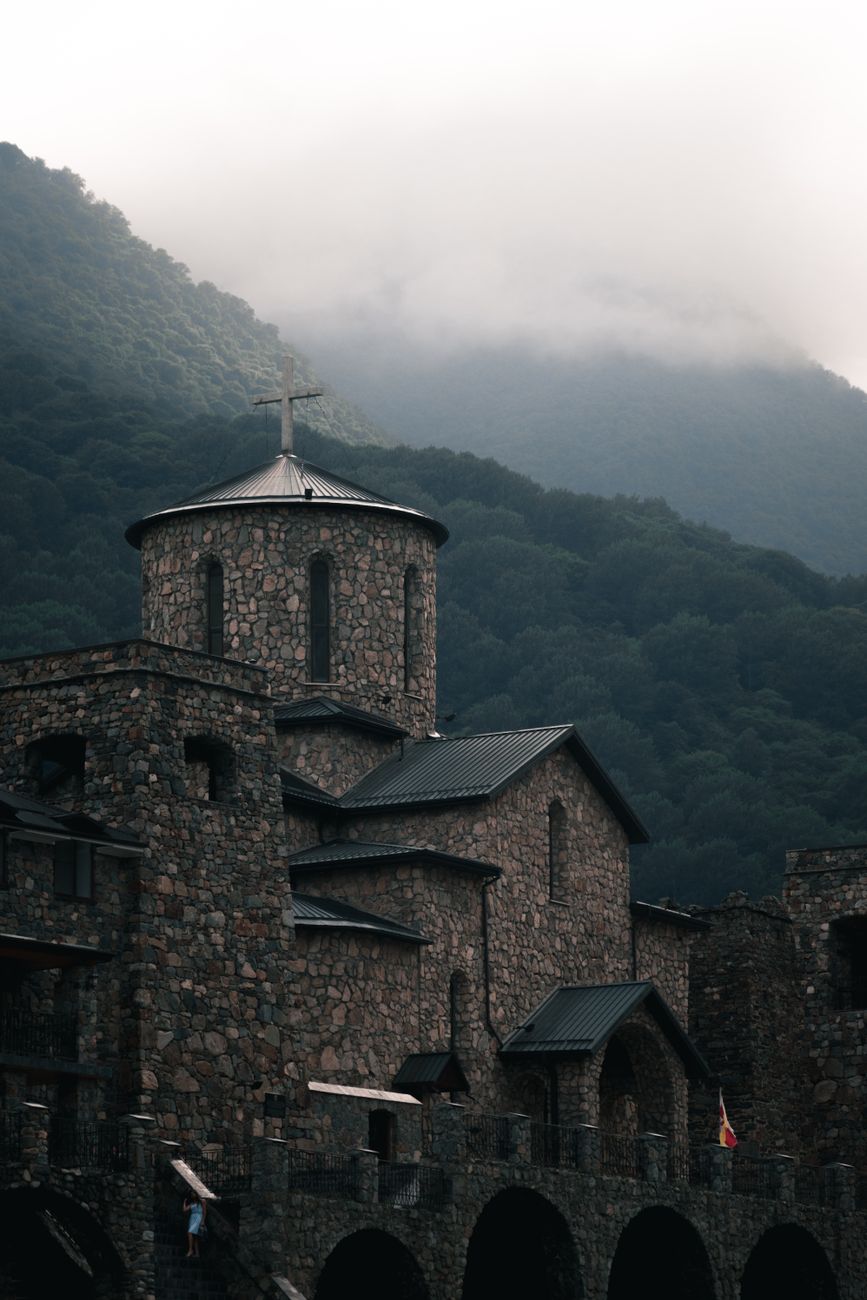
Table of Contents
1. The High Valley Ascent
At four thousand meters, breath transforms from an autonomic process into a deliberate, conscious discipline. The dirt path tracing the northern crest of the valley is narrow, reinforced only by dry slate borders placed by shepherding families during the seventeenth century. Below, the glacial torrent cuts a serpentine trench through limestone, yet up here, sound softens into a muted murmur carried on cold, alpine air.
Unlike widely frequented pilgrim circuits, access to these sanctuaries demands patience and local guidance. One does not arrive by vehicle; one steps rhythmically across slate passes where lichen paints every boulder in pale sage and rust.
"Architecture in extreme topography is not an exercise in domination, but an agreement between gravity and humble patience."
2. Stone Masonry in Balance with Wind
The sanctuary buildings do not jut aggressively against the skyline. Instead, their subterranean foundations lean into natural rock fissures. Cedar lintels, hardened through centuries of frost and dry sun, support thick walls of interlocking granite blocks.
Entering the interior courtyard reveals courtyard courtyards sheltered completely from gale-force winds. Monks gather rainwater through stone aqueducts routed into cisterns beneath the chapel floors, preserving life throughout winter months without dependence on the valley floor below.
3. Silence as a Cultural Artifact
The contemporary world equates empty space with loneliness. In these sanctuaries, however, quietude is experienced as an abundant, tactile material. Travellers who spend three days sleeping on wooden platforms discover their internal speed slowing down to match the mountain's pace.